
Why Some Professionals Get Promoted Faster Than Others in Manufacturing & Technical Roles


Updated for 2026: Reflecting current trends in manufacturing, technical roles, and career advancement.
In every workplace, some employees climb quickly, while others stay stuck in the same role for years.
In manufacturing and technical environments, this gap is even more pronounced.
At Top Quality Recruitment, we see this every day across food & beverage manufacturing, packaging, life sciences, medical devices, and industrial automation. Promotions are rarely about tenure. They are about impact, visibility, and alignment with what the business actually needs.
And right now, what businesses need is changing.
The market is not in aggressive hiring mode. It is in optimization mode. Companies are hiring fewer people, but expecting more from each one.
That is exactly why some professionals accelerate, and others stall.
Here is what separates them.
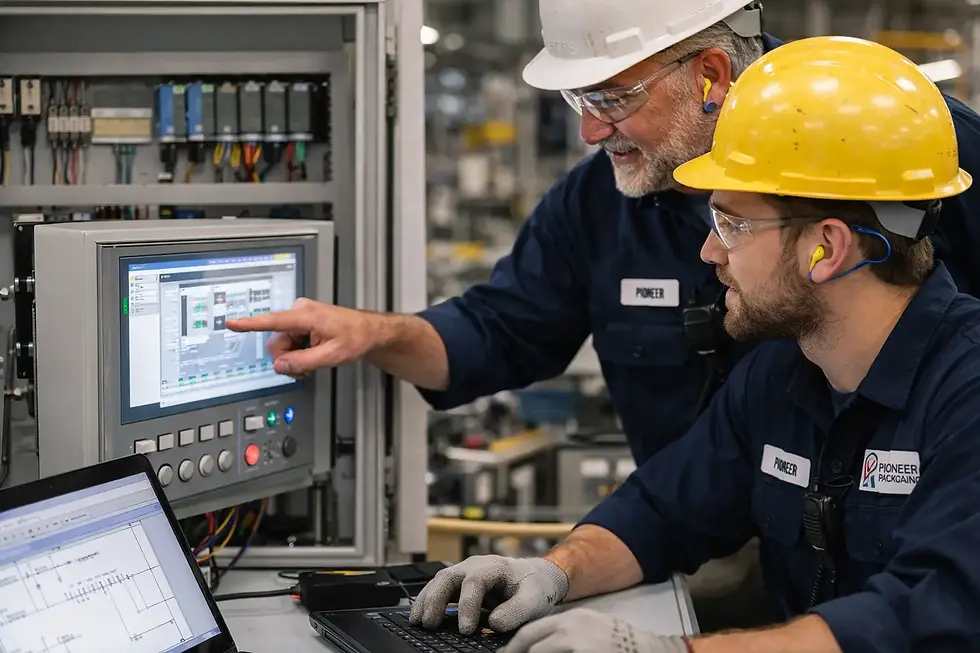
1. They Take Initiative (Especially in Operations & Technical Roles)

In plant and production environments, initiative is not theoretical.
It looks like:
A Maintenance Manager identifies recurring downtime and fixing root cause
A Production Supervisor improving line efficiency without being asked
A Quality leader tightening compliance before an audit becomes a problem
The people who get promoted are not waiting for direction. They are solving problems that the business already feels.
Reality check: Most people do their job. Few improve the operation.
How You Can, Too: Step outside your job scope. Own a problem tied to output, efficiency, or compliance.
2. They Build Relationships Across Functions
The fastest movers build credibility with:
Operations
Quality
Maintenance
Engineering
Leadership
Why? Because senior roles require cross-functional influence, not just technical skill.
We consistently see candidates stall because they are strong technically but invisible outside their department.
How You Can, Too: Stop thinking in terms of departments. Start thinking in plant-wide impact.

3. They Develop Skills That Match Where the Industry Is Going
This is where most people fall behind.
Across your markets:
Food & Beverage / Packaging: Automation, reliability, and process optimization are rising
Life Sciences & Medical Devices: Compliance, validation, and precision manufacturing matter more
Industrial Automation: Technical depth is replacing generalist roles
Companies are prioritizing higher-skilled talent over headcount expansion.
Translation: If your skill set looks the same as it did 3 years ago, you’re already behind.
How You Can Too:
Invest in:
Automation exposure
Data-driven decision making
Regulatory / compliance depth
Process improvement (Lean, Six Sigma, etc.
4. They Deliver Consistent, Measurable Results
In your industries, results are not subjective.
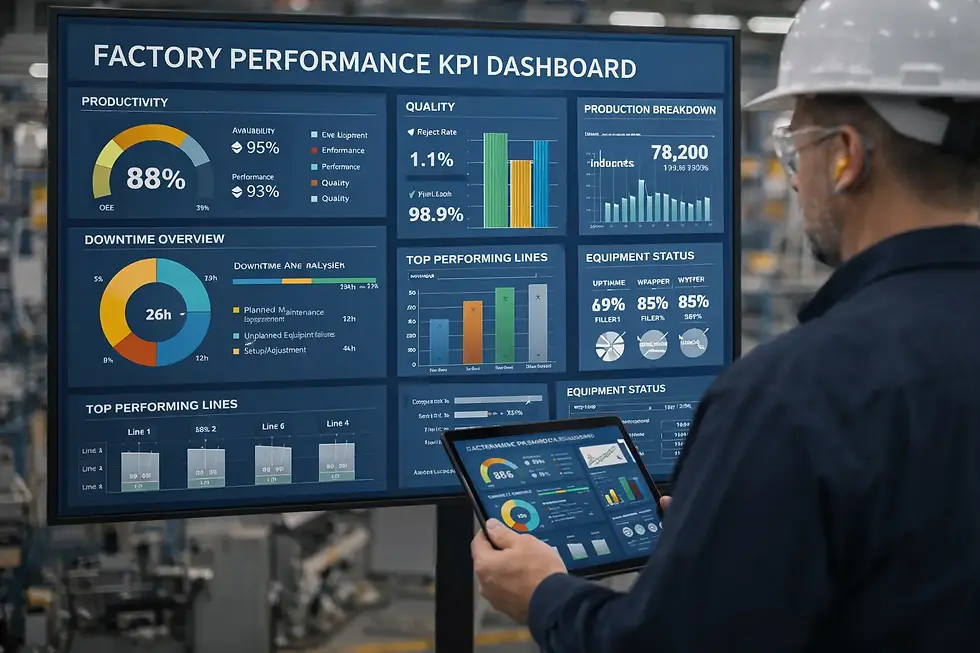
They show up as:
Reduced downtime
Improved yield
Better OEE
Fewer quality deviations
Stronger audit outcomes
The professionals who move up can point to numbers, not effort.
Hard truth:
Being busy is not valuable. Being measurable is.
How You Can Too:
Track your impact. If you can’t quantify it, leadership won’t either.
5. They Make Their Value Visible
This is where a lot of strong people lose.
In plant environments, leaders are busy. If you are not communicating your wins, they are not being registered.
The people getting promoted:
Share updates
Present results
Tie outcomes to business goals
Not in an arrogant way. In a clear, business-focused way.
How You Can Too:
Think like a manager:
What did you improve?
What did it save or produce?
Why does it matter?
Communicate that consistently.

6. They Align With What Leadership Actually Cares About
Right now, across all your markets, leadership priorities are consistent:
Retention of strong talent
Stability and predictable output
Efficiency and productivity
Smarter, not faster, hiring
Companies are not chasing growth at any cost. They are protecting performance and selectively upgrading talent.
The people who get promoted understand this shift.
They position themselves as:
Problem solvers
Stabilizers
People who can lead teams through change
How You Can Too: Ask yourself one question: “What problem does leadership lose sleep over?”
Then go solve that.
Final Thoughts to Get Promoted
Promotions in manufacturing and technical environments are not about working harder.
They are about:
Owning problems that impact the business
Building influence across teams
Developing relevant technical and leadership skills
Delivering measurable results
Making your impact visible
Aligning with where the industry is going
If you do those consistently, you don’t need to chase promotions.


