
Electrical Engineer Salary in Canada
Electrical Engineer Salary Range

$81,700
$119,030
Low Range
High Range
Midpoint
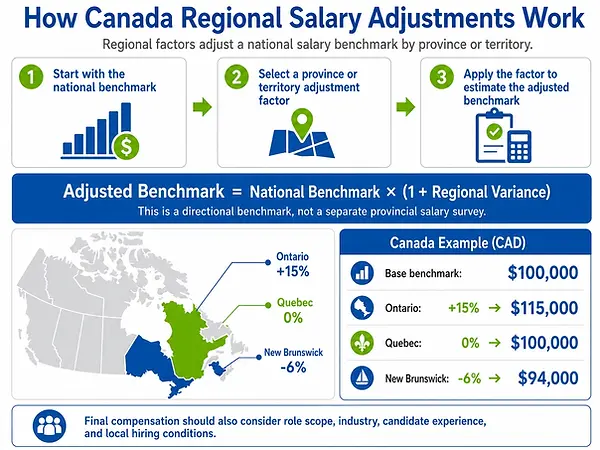
This salary range represents a national benchmark in CAD. Regional salary adjustment factors can be applied below to estimate how compensation may shift by province or territory.
Salary benchmarks are based on a mix of TQR internal data and external market research for specialized manufacturing and technical roles in Canada.
Electrical Engineer salaries in the Packaging Manufacturing industry typically range from $81,700 to $119,030, with a midpoint of $100,485. Compensation varies based on electrical engineering experience, power distribution expertise, equipment reliability, capital project management, process improvement initiatives, manufacturing environment, and overall responsibility for electrical systems and plant performance.
What the Salary Percentiles Mean
The following range has been generated based on real salary data across North America.
$81,700
$119,030

$81,700
25th percentile
Employees in this section often have a lower level of experience or skills and
are still growing into their role. This role may also be at a small to medium-sized business.
$100,485
50th percentile
Employees in this section typically demonstrate the required level of experience plus many skills that are deemed an asset. This role is likely at a medium-sized business.
$119,030
75th percentile
Employees in this section typically demonstrate a higher-level of expertise and/or enhanced qualifications. They should also have a proven track record and cultural fit. This role is likely at a larger business.
Regional Salary Adjustments
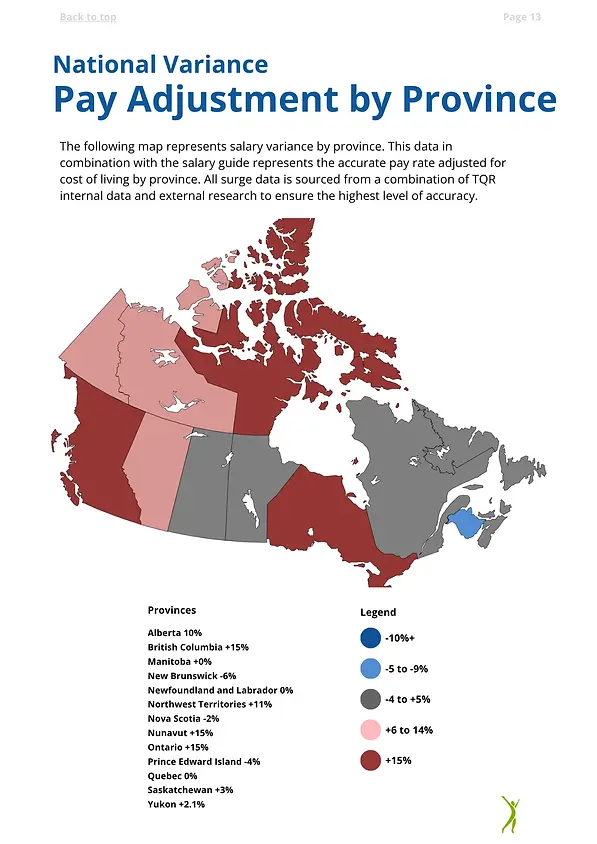
Salary ranges can vary by region based on cost of living, labor competition, industry concentration, and talent availability. The map below shows regional adjustment factors that can be applied to the national salary benchmark as a directional guide.

Factors That Affect an Electrical Engineer’s Salary
Electrical Engineer compensation can vary based on electrical engineering experience, manufacturing complexity, equipment expertise, capital project responsibility, maintenance support, and technical scope. Employers may need to adjust compensation when the role includes power distribution systems, motor controls, drives, instrumentation, equipment commissioning, process optimization, or significant responsibility for plant reliability and operational performance.
Electrical Engineer Job Description:
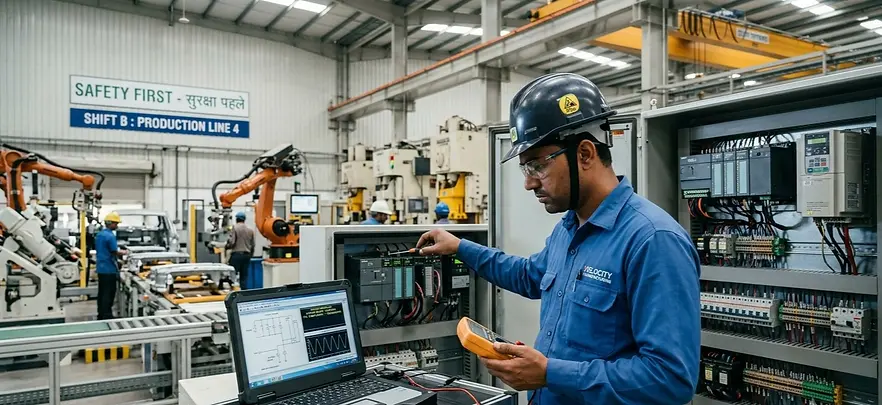
An Electrical Engineer designs, supports, maintains, and improves electrical systems used in packaging manufacturing environments. This role helps companies improve equipment reliability, production efficiency, product quality, safety, and overall plant performance through the effective application of electrical engineering principles, power distribution systems, and manufacturing technologies.
Electrical Engineers often work with power distribution systems, control panels, motors, drives, sensors, instrumentation, electrical equipment, and production machinery. Their work may include troubleshooting electrical systems, supporting preventive and predictive maintenance programs, improving equipment performance, executing capital projects, and collaborating with production, maintenance, automation, quality, engineering, and outside vendors. In a manufacturing environment, the role is highly practical while maintaining a strong focus on engineering excellence and continuous improvement.
Electrical Engineers are expected to understand how electrical system performance impacts productivity, quality, safety, cost, and operational efficiency. Strong candidates typically combine electrical engineering expertise with analytical thinking, troubleshooting skills, project management experience, communication abilities, and continuous improvement knowledge to improve equipment reliability, optimize manufacturing operations, and support long-term business success.
Common Responsibilities:
Designing, installing, maintaining, and optimizing electrical systems, power distribution, and manufacturing equipment.
Troubleshooting electrical, instrumentation, motor control, drive, and power system issues to improve equipment reliability and minimize downtime.
Supporting preventive, predictive, and corrective maintenance programs for electrical systems and production equipment.
Conducting root cause analysis and implementing corrective actions to improve equipment performance and operational efficiency.
Driving continuous improvement initiatives using Lean Manufacturing, Six Sigma, TPM, and other operational excellence methodologies.
Supporting the planning, installation, commissioning, validation, and startup of new equipment, automation systems, and capital projects.
Coordinating with vendors, contractors, OEMs, and internal teams to support engineering projects and equipment upgrades.
Maintaining electrical drawings, schematics, SOPs, maintenance records, and engineering documentation.
Ensuring compliance with OSHA, NFPA, NEC, electrical codes, environmental regulations, and company safety standards.
Explore Current Openings
TQR recruits for specialized roles across packaging, industrial automation, manufacturing, food production, life sciences, and related technical markets. Current openings may include engineering, operations, maintenance, quality, supply chain, and plant leadership roles.
View current opportunities or submit your resume to be considered for future roles that match your background.
Latest Hiring Trends


Book a 15-Minute Consultation
Have a quick 15-minute call to learn how TQR works and how we help companies hire and professionals advance, and we’ll begin working on your search the same day.
