
Formulation Scientist Salary in Canada
Formulation Scientist Salary Range

$90,395
$130,000
Low Range
High Range
Midpoint
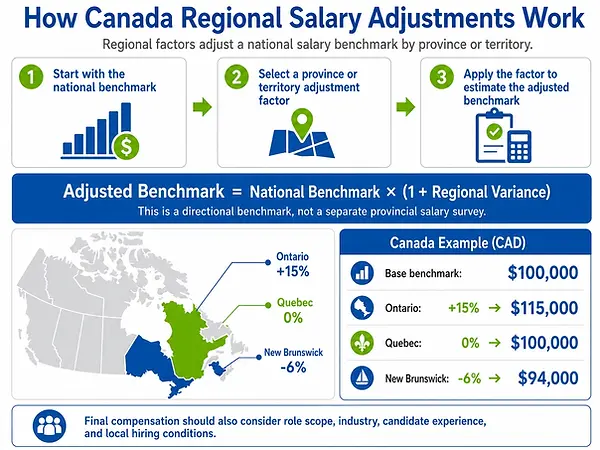
This salary range represents a national benchmark in CAD. Regional salary adjustment factors can be applied below to estimate how compensation may shift by province or territory.
Salary benchmarks are based on a mix of TQR internal data and external market research for specialized manufacturing and technical roles in Canada.
Formulation Scientist salaries in the Life Sciences Manufacturing industry typically range from $90,395 to $130,000, with a midpoint of approximately $108,200. Compensation varies based on formulation development experience, scientific expertise, regulatory knowledge, laboratory specialization, product complexity, organizational size, and overall product development responsibility.

What the Salary Percentiles Mean
The following range has been generated based on real salary data across North America.
$90,395
$130,000

$90,395
25th percentile
Employees in this section often have a lower level of experience or skills and
are still growing into their role. This role may also be at a small to medium-sized business.
$108,200
50th percentile
Employees in this section typically demonstrate the required level of experience plus many skills that are deemed an asset. This role is likely at a medium-sized business.
$130,000
75th percentile
Employees in this section typically demonstrate a higher-level of expertise and/or enhanced qualifications. They should also have a proven track record and cultural fit. This role is likely at a larger business.
Regional Salary Adjustments
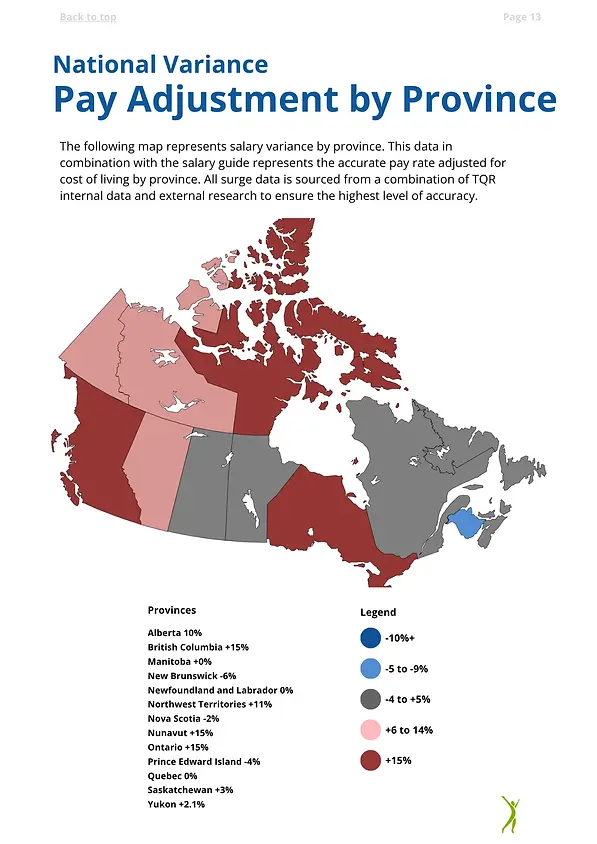
Salary ranges can vary by region based on cost of living, labor competition, industry concentration, and talent availability. The map below shows regional adjustment factors that can be applied to the national salary benchmark as a directional guide.

Factors That Affect a Formulation Scientist's Salary
Formulation Scientist compensation can vary based on formulation complexity, product type, therapeutic area, laboratory expertise, regulatory knowledge, company size, location, and overall technical responsibility. Employers may need to adjust compensation when the position supports complex drug delivery systems, biologics, sterile products, global development programs, or advanced formulation technologies.
Formulation Scientist Job Description:
A Formulation Scientist is responsible for developing, optimizing, and validating formulations for pharmaceutical, biotechnology, medical device, and other Life Sciences products. This role helps ensure products achieve the required safety, efficacy, stability, manufacturability, and regulatory compliance while supporting product development from early research through commercial manufacturing.
Formulation Scientists often develop formulations, conduct laboratory studies, perform stability testing, optimize manufacturing processes, support technology transfers, analyze formulation performance, and prepare technical documentation while working closely with Analytical Development, Manufacturing, Quality Assurance, Regulatory Affairs, Engineering, Supply Chain, and R&D teams. Their work may include designing formulation experiments, evaluating raw materials, supporting process validation, troubleshooting product performance issues, and ensuring products meet quality, regulatory, and commercial requirements.
Formulation Scientists are expected to understand how formulation development directly impacts product quality, manufacturing efficiency, regulatory compliance, patient safety, and commercial success. Strong candidates typically combine formulation science expertise, analytical skills, laboratory experience, problem-solving ability, communication skills, and continuous improvement experience to support innovation within highly regulated Life Sciences manufacturing environments.
Common Responsibilities:
Developing and optimizing formulations for new and existing pharmaceutical, biotechnology, medical device, and related Life Sciences products while ensuring product safety, efficacy, stability, manufacturability, and regulatory compliance.
Designing and executing formulation studies, laboratory experiments, feasibility assessments, stability studies, compatibility testing, analytical evaluations, and process development activities in accordance with FDA, cGMP/GMP, ICH, GLP, and company quality standards.
Analyzing formulation performance, interpreting experimental data, preparing technical reports, protocols, specifications, and regulatory documentation to support product development and commercialization.
Collaborating with Analytical Development, Manufacturing, Quality Assurance, Regulatory Affairs, Engineering, Supply Chain, and R&D teams throughout the product lifecycle to achieve successful development outcomes.
Supporting technology transfer, process validation, manufacturing scale-up, commercial production, root cause investigations, and corrective actions to improve product quality and manufacturing performance.
Driving innovation, continuous improvement, formulation optimization, cost reduction, and process enhancement initiatives while supporting regulatory submissions, audits, and product lifecycle management.
Maintaining accurate laboratory documentation, scientific records, and technical data while ensuring compliance with regulatory requirements, quality systems, and Good Documentation Practices (GDP).
Explore Current Openings
TQR recruits for specialized roles across industrial automation, manufacturing, packaging, food production, life sciences, and related technical markets. Current openings may include engineering, operations, maintenance, quality, supply chain, and plant leadership roles.
View current opportunities or submit your resume to be considered for future roles that match your background.
Latest Hiring Trends


Book a 15-Minute Consultation
Have a quick 15-minute call to learn how TQR works and how we help companies hire and professionals advance, and we’ll begin working on your search the same day.
