

Building an Effective and Strong Performance Review System for Your Organization
Performance reviews shape how employees grow, how managers lead, and how organizations succeed. Yet many companies struggle to create a system that feels fair and clear to everyone involved. Designing a performance review system that is both fair and transparent requires careful planning, clear communication, and ongoing adjustments.
This post explains how to build a performance review system that motivates employees, supports managers, and drives organizational goals. It covers key elements to include, common pitfalls to avoid, and practical tips for implementation.
Why Fairness and Transparency Matter in Performance Reviews
Employees want to understand how their work is evaluated and how they can improve. When reviews feel unfair or unclear, motivation drops, and trust erodes. Managers may also find it harder to provide honest feedback or make decisions about promotions and raises.
A fair and transparent system:
Builds trust between employees and leadership
Encourages open communication
Supports consistent decision-making
Helps identify development opportunities
Aligns individual goals with company objectives
Without these qualities, performance reviews risk becoming a dreaded formality rather than a useful tool.
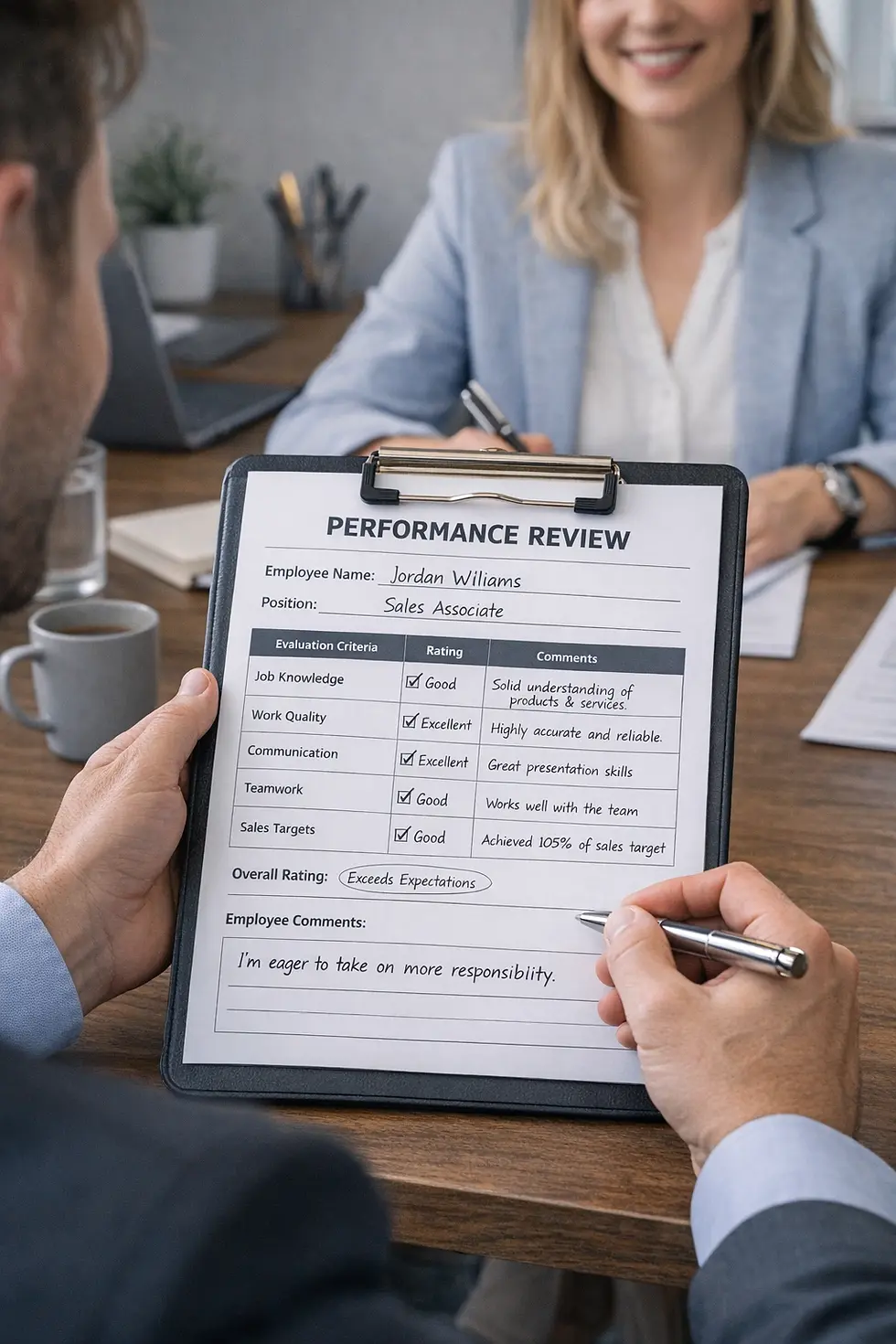
Key Components of a Fair Performance Review System
Clear Criteria and Standards
Define what good performance looks like for each role. Use specific, measurable criteria rather than vague terms. For example, instead of “good communication,” specify “responds to client emails within 24 hours” or “delivers presentations with clear key points.”
Regular Feedback, Not Just Annual Reviews
Annual reviews alone don’t provide enough guidance. Encourage managers to give ongoing feedback throughout the year. This helps employees adjust their work and feel supported.
Employee Self-Assessment
Allow employees to evaluate their own performance before the review meeting. This encourages reflection and helps managers understand the employee’s perspective.
Multiple Sources of Feedback
Incorporate input from peers, subordinates, and other stakeholders when possible. This 360-degree feedback reduces bias and gives a fuller picture of performance.
Training for Managers
Equip managers with skills to deliver constructive feedback, avoid bias, and handle difficult conversations. Well-trained managers create a more positive review experience.
Steps to Design a Strong Performance Review System and Process
1. Identify Organizational Goals and Values
Start by clarifying what your organization values most. Is innovation a priority? Customer satisfaction? Team collaboration? Align performance criteria with these goals to ensure reviews support the bigger picture.
2. Develop Role-Specific Competencies
Create competency frameworks tailored to different roles. For example, a sales role might focus on meeting targets and client relationships, while a developer’s review might emphasize code quality and problem-solving.
3. Choose a Rating Scale That Makes Sense
Use a simple, consistent rating scale such as 1 to 5 or “Needs Improvement” to “Exceeds Expectations.” Avoid overly complex scales that confuse employees and managers.
4. Create a Review Timeline
Set clear deadlines for self-assessments, manager evaluations, and review meetings. Keep the process predictable and manageable.
5. Communicate the Process Clearly
Explain the purpose, steps, and criteria of the review system to all employees. Transparency reduces anxiety and builds trust.

Tips for Conducting Effective Review Meetings
Prepare in advance: Review all feedback and notes before the meeting.
Create a comfortable environment: Choose a quiet, private space to encourage open dialogue.
Start with strengths: Highlight what the employee does well before discussing areas for improvement.
Be specific: Use examples to explain ratings and feedback.
Set clear goals: Collaborate on development plans and next steps.
Encourage questions: Allow employees to share their views and concerns.
Avoiding Common Pitfalls
Bias and favouritism: Use multiple feedback sources and clear criteria to reduce subjective judgments.
Lack of follow-up: Ensure development plans are tracked and revisited regularly.
Overloading managers: Keep the process simple and provide support to avoid burnout.
Ignoring employee input: Value self-assessments and listen carefully during meetings.
Using Technology to Support Your System
Performance management software can help organize reviews, track progress, and gather feedback efficiently. Look for tools that allow customization, easy access for employees, and reporting features to analyze trends.
Final Thoughts on Building a Strong Performance Review System
A fair, transparent, and strong performance review system strengthens relationships, clarifies expectations, and drives growth. It requires clear criteria, ongoing feedback, and open communication. By investing time in design and training, organizations can create a process that benefits everyone.
Start by defining what success looks like for your team, then build a system that supports those goals with fairness and clarity. The result will be a more engaged workforce and better business outcomes. Take the first step today by reviewing your current process and identifying one improvement to make.


