How to Make a Great First Impression in 2026

Updated: Mar 31
The job market in 2026 is more competitive than ever, especially in industries like food & beverage manufacturing, packaging, life sciences, and industrial automation. Making a stellar first impression during an interview can set you apart. With advancements in technology, evolving workplace norms, and heightened expectations, here’s how you can ensure you leave a lasting positive impact.
1. Research the Company Thoroughly
Employers expect candidates to have a solid understanding of the company’s mission, culture, and recent achievements. For example, if you’re interviewing at a packaging manufacturer, knowing their sustainability initiatives or new automation systems can help you stand out.
How to Prepare:
Explore the company’s website, social media, and recent industry news.
Understand their products, services, and market position (e.g., food safety standards in beverage production or GMP compliance in life sciences).
Familiarize yourself with the company’s values and align your responses to reflect them.

2. Leverage AI to Enhance First Impression
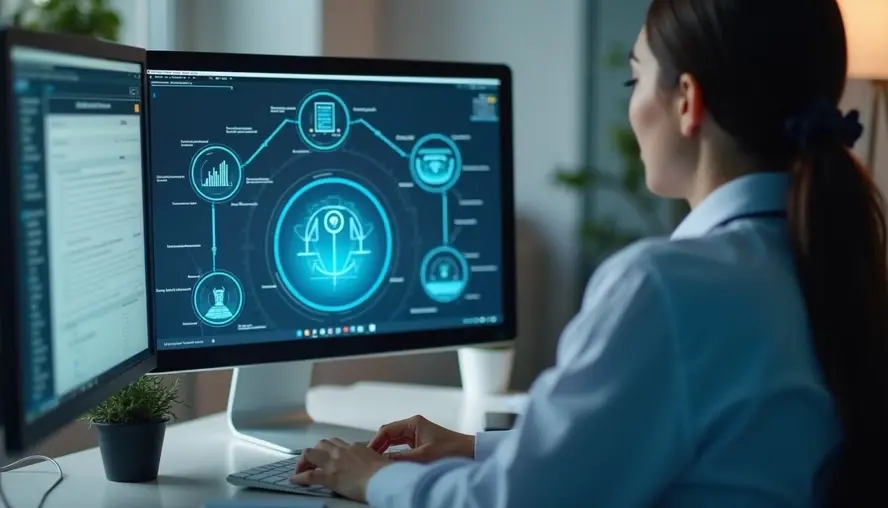
AI tools can help you refine your interview skills and tailor your responses. AI tools are increasingly used in industrial and technical leadership roles to refine interview skills and tailor responses.
How to Prepare:
Use AI-powered platforms to practice industry-specific interview questions (e.g., “How would you handle a production line failure in beverage manufacturing?”).
Analyze job descriptions with AI tools to identify key skills like automation expertise or regulatory compliance.
Create customized resumes and cover letters with AI assistance, highlighting sector-specific achievements.

3. Master Virtual and In-Person Etiquette
Hybrid interview formats are common in 2026. Whether interviewing for a life sciences research role or a packaging plant supervisor position, professionalism matters.
Virtual Tips:
Test your technology (camera, microphone, and internet connection) beforehand.
Choose a clean, distraction-free background and dress professionally.
Maintain eye contact by looking at the camera, not the screen.
In-Person Tips:
Arrive 10-15 minutes early and bring necessary documents.
Offer a firm handshake and maintain good posture.
Show enthusiasm and confidence through your tone and body language.
4. Showcase Emotional Intelligence (EQ)
Employers value candidates who demonstrate self-awareness, empathy, and interpersonal skills.
How to Demonstrate EQ:
Actively listen to the interviewer and respond thoughtfully.
Share examples of managing challenges, such as leading a team through a packaging line redesign.
Express genuine interest in the role and the people you’d be working with.

5. Highlight Your Adaptability
With rapid changes in technology and work environments, adaptability is a sought-after trait in manufacturing and technical leadership roles.
How to Showcase Adaptability:
Discuss situations where you successfully navigated change, such as adopting new robotics in industrial automation.
Emphasize your willingness to learn new skills and embrace innovation.
Provide examples of staying current in your industry (e.g., certifications in food safety or automation systems).

6. Prepare for Behavioural Questions
Behavioural questions help interviewers assess how you’ve handled situations in the past.
How to Answer:
Use the STAR method (Situation, Task, Action, Result) to structure your responses.
Be concise and focus on measurable outcomes (e.g., “Reduced packaging waste by 15% through process optimization”).
Relate your experiences to the role you’re applying for.
7. Ask Thoughtful Questions
Prepare questions that show your genuine interest and help you understand the role better.
Examples:
“How does your team integrate automation into packaging processes?”
“What opportunities for growth exist in food & beverage compliance roles?”
“How does the company foster innovation in life sciences research?”
8. Follow Up with a Thank-You Note
A prompt and personalized thank-you message reinforces your interest in the role.
How to Write It:
Express gratitude for the opportunity and highlight key points from the interview.
Reiterate your enthusiasm for the role and how your skills align with the industry needs.
Send the note within 24 hours of the interview.
Conclusion
Making a great first impression in an interview in 2026 requires preparation, adaptability, and a blend of technical and interpersonal skills. By tailoring your approach to industries like food & beverage, packaging, life sciences, and industrial automation, you’ll position yourself as a standout candidate ready to thrive in today’s dynamic job market.
What strategies have worked for you in interviews? Share your experiences in the comments below!