
5 Ways AI is Transforming Healthcare Recruitment Today

Finding the right healthcare professionals has always been a challenge. The demand for skilled workers grows faster than the supply, and traditional hiring methods often fall short. Artificial intelligence (AI) is changing this landscape by making recruitment faster, smarter, and more precise. This post explores five key ways AI reshapes healthcare recruitment, helping organizations find the right talent efficiently and effectively.
1. AI Speeds Up Candidate Screening
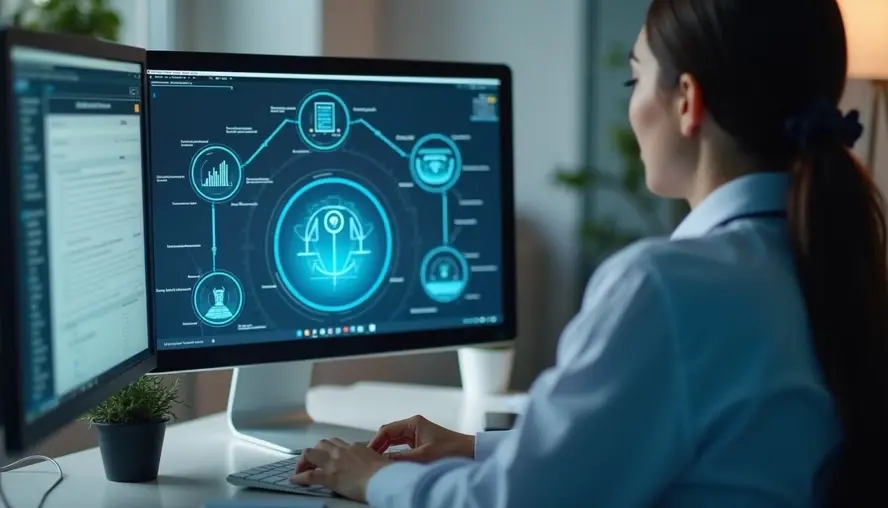
One of the biggest hurdles in healthcare recruitment is sifting through hundreds or thousands of applications. AI-powered screening tools can quickly scan resumes and applications to identify candidates who meet specific qualifications. These tools use natural language processing to understand job descriptions and match them with relevant skills and experience in candidate profiles.
For example, a hospital looking for registered nurses can set criteria such as certifications, years of experience, and specialties. The AI system then ranks applicants based on how well they fit these requirements. This process reduces the time recruiters spend on manual screening and helps focus on the most promising candidates.
2. AI Helps Reduce Bias in Hiring
Bias in recruitment can unintentionally exclude qualified candidates and limit diversity. AI can help reduce this by focusing on objective data rather than subjective impressions. When properly designed, AI systems ignore factors like gender, age, or ethnicity and concentrate on skills, experience, and qualifications.
For instance, some healthcare organizations use AI to anonymize applications during the initial screening. This means recruiters review candidates without seeing names or photos, which can influence decisions unconsciously. By promoting fairer hiring practices, AI supports more inclusive workplaces in healthcare.
3. AI Improves Candidate Matching with Predictive
Analytics
Predictive analytics is a powerful AI feature that forecasts how well a candidate will perform in a role. It analyzes past hiring data, employee performance, and turnover rates to identify traits linked to success. This helps recruiters make informed decisions beyond just qualifications on paper.
A healthcare provider might use predictive analytics to find nurses who are likely to stay longer and adapt well to fast-paced environments. This reduces costly turnover and improves patient care continuity. Predictive models can also suggest candidates who fit the culture and values of the organization, increasing satisfaction for both employees and employers.

4. AI Enhances Candidate Engagement and Communication
Keeping candidates engaged throughout the hiring process is crucial, especially in healthcare where demand is high. AI-powered chatbots and virtual assistants provide instant responses to candidate questions, schedule interviews, and send reminders. This improves the candidate experience by making communication timely and consistent.
For example, a chatbot can answer common questions about job roles, benefits, or application status 24/7. This reduces the workload on recruiters and keeps candidates informed. Automated follow-ups also ensure no promising candidate is overlooked or forgotten during the process.
5. AI Supports Workforce Planning and Talent Development
Beyond recruitment, AI helps healthcare organizations plan their workforce needs and develop talent pipelines. By analyzing trends in patient demand, staff availability, and skill gaps, AI tools forecast future hiring needs. This allows organizations to prepare in advance rather than react to shortages.
Additionally, AI can identify employees with potential for growth and suggest training programs. This supports internal mobility and helps retain valuable staff. For example, a hospital might use AI to spot nurses ready for leadership roles and provide targeted development opportunities.

A New Era in Healthcare Recruitment
AI is changing healthcare recruitment by making it faster, fairer, and more strategic. From screening candidates to planning future workforce needs, AI tools help healthcare organizations find and keep the right talent. As the healthcare sector continues to grow, embracing AI in recruitment will be essential to meet rising demands and improve patient care.


