Top 5 Skills Food and Beverage Production Supervisors Need in 2026

Updated: Apr 2
Food production plants continue to evolve. Between higher performance expectations, stricter quality and safety standards, workforce challenges, and expanding automation, the demands placed on supervisors are greater than ever. Employers are not just looking for someone who can keep a line running—they need leaders who can balance productivity, compliance, people management, and continuous improvement.
At Top Quality Recruitment, we work with employers and candidates across the Food & Beverage Manufacturing industry every day. Based on what hiring managers are prioritizing, here are the top five skills food and beverage production supervisors need to succeed in 2026.

1. Strong People Leadership
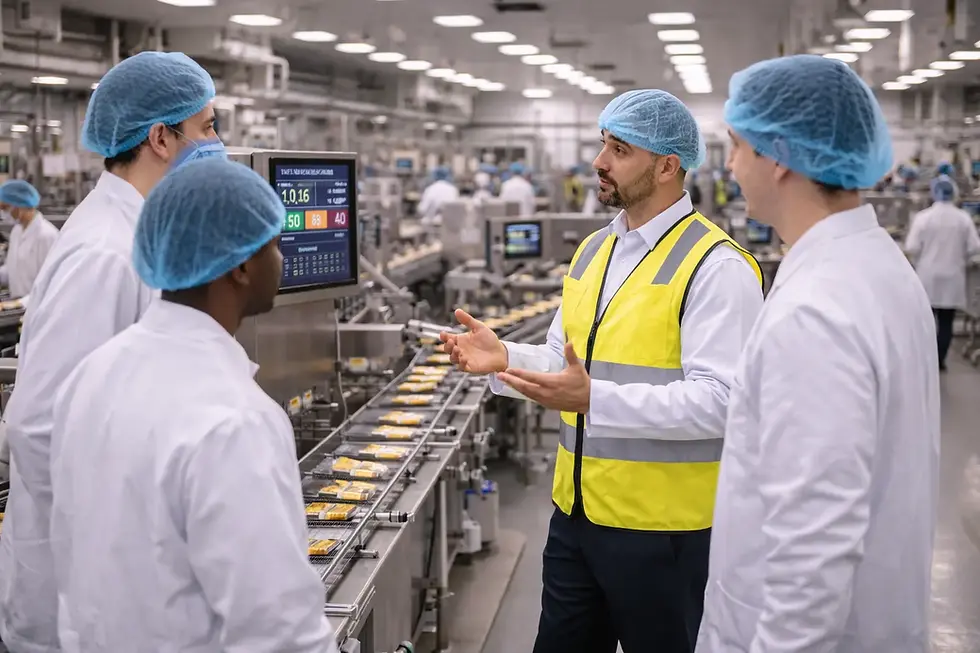
Today's supervisors are expected to do much more than assign tasks and monitor output. They are coaches, problem-solvers, and front-line leaders who influence engagement, retention, and culture.
In 2026, employers are looking for supervisors who can:
Motivate and coach diverse teams
Manage conflict quickly and fairly
Build morale in high-pressure environments
Why it matters: In food manufacturing, turnover and attendance challenges can disrupt production quickly. Supervisors who build trust and lead effectively help stabilize the workforce and improve day-to-day performance.

2. Food Safety & Regulatory Knowledge
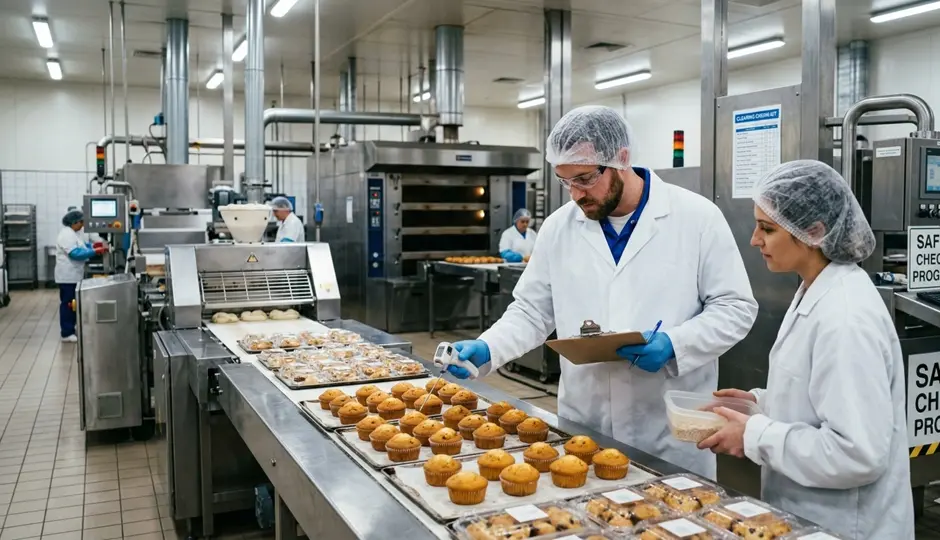
Food safety remains non-negotiable. Production supervisors must understand and reinforce compliance with standards such as HACCP, GMP, SQF, and FSMA, while also supporting internal quality systems and audit readiness.
Supervisors are often the people closest to the line, which means they play a direct role in spotting issues early—before they become larger food safety or compliance problems.
Why it matters: Employers need supervisors who can protect both consumer safety and brand reputation while keeping operations running efficiently.
3. Adaptability to Technology & Automation
Food plants are becoming more data-driven and automated. Supervisors increasingly work alongside:
Automated packaging systems
Production monitoring dashboards
ERP and MES tools
Downtime tracking systems
Digital quality and maintenance records
The strongest supervisors in 2026 will not just tolerate technology—they will use it to improve visibility, decision-making, and team performance.
Why it matters: Employers don’t just want someone comfortable with machines—they want supervisors who see technology as a way to boost efficiency, not slow it down.
4. Problem-Solving & Continuous Improvement
Unexpected production issues are part of the job. Equipment breakdowns, labour shortages, material delays, quality deviations, and schedule changes all require quick thinking and a structured response.
Supervisors who bring a continuous improvement mindset stand out. Experience with Lean principles, root cause analysis, waste reduction, Kaizen, or Six Sigma concepts can be especially valuable.
Why it matters: In high-volume food production, even small improvements in uptime, yield, and labour efficiency can make a meaningful impact on margins.

5. Communication Across Teams
Production supervisors serve as a critical link between the plant floor and leadership. They must communicate clearly with operators, quality teams, maintenance staff, warehouse personnel, and plant management.
Strong communication includes:
Giving clear direction during shift changes.
Escalating issues appropriately.
Documenting performance and incidents accurately.
Helping cross-functional teams stay aligned.
Why it matters: In food manufacturing, miscommunication can lead to missed production targets, quality concerns, or safety issues. Employers value supervisors who keep information moving clearly across the operation.

Final Takeaway
Food and beverage production supervisors in 2026 need to be far more than floor managers. They must be people leaders, food safety champions, problem-solvers, communicators, and adaptable partners in an increasingly automated production environment.
For employers, the right supervisor can improve retention, maintain compliance, and drive stronger plant performance. For candidates, developing these skills can open the door to long-term growth in Food & Beverage Manufacturing and broader industrial leadership roles.
At Top Quality Recruitment, we help employers find supervisors with the right balance of technical expertise and leadership skills to thrive in today’s food manufacturing environment.