Emerging Workplace Trends to Watch in 2026

Updated: Jul 16
The workplace is evolving faster than ever, shaped by technology, shifting employee expectations, and global changes. As 2026 approaches, understanding the key trends shaping work environments can help organizations and professionals prepare for what lies ahead. This post explores the most important workplace trends expected to influence how we work, collaborate, and grow in the near future.

Flexible Work Models Become the Norm
The traditional 9-to-5 office routine is giving way to more flexible arrangements. Many companies now offer hybrid models where employees split time between home and office. This approach supports work-life balance and boosts productivity.
Hybrid schedules allow employees to choose when and where they work best.
Remote-first policies prioritize remote work as the default, with office visits optional.
Flexible hours help accommodate different time zones and personal commitments.
For example, a tech company might require employees to be in the office only two days a week, while the rest of the time they work remotely. This flexibility reduces commute stress and helps attract talent from a wider geographic area.
Focus on Employee Well-being and Mental Health
Workplace well-being is no longer a side concern. Organizations recognize that mental health directly affects performance and retention. In 2026, expect more comprehensive well-being programs that address physical, emotional, and social health.
Mental health days become standard benefits alongside vacation and sick leave.
Access to counseling and coaching is offered through digital platforms.
Mindfulness and stress management workshops are integrated into work routines.
Companies like Salesforce and Microsoft have already expanded mental health support, showing positive results in employee satisfaction. This trend will continue as workers seek environments that support their overall health.
Increased Use of Artificial Intelligence and Automation
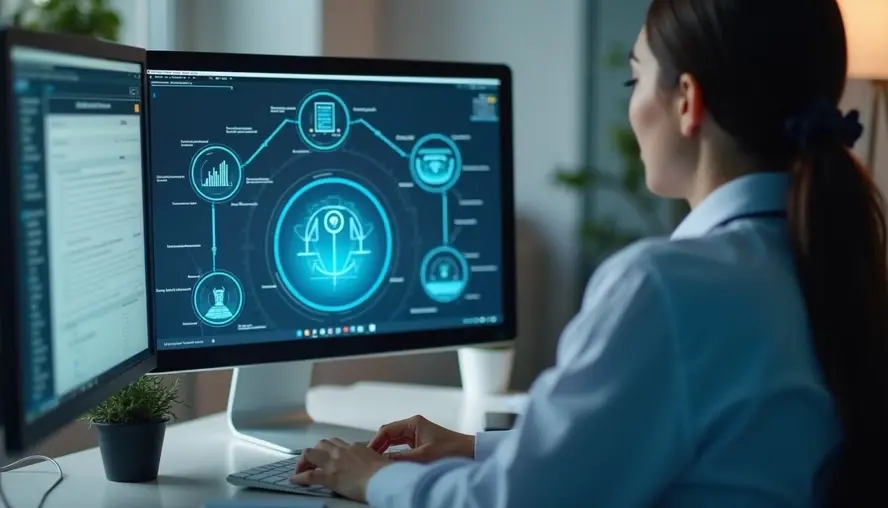
AI and automation will play a larger role in everyday work tasks. These technologies help reduce repetitive work, allowing employees to focus on creative and strategic activities.
AI-powered assistants manage schedules, emails, and data analysis.
Automation tools handle routine processes such as invoicing and reporting.
Data-driven decision-making improves with AI insights.
For example, customer service teams use AI chatbots to handle common inquiries, freeing human agents to solve complex problems. This shift improves efficiency and job satisfaction.

Emphasis on Continuous Learning and Skill Development
The rapid pace of change means skills can become outdated quickly. Organizations will invest more in ongoing training to keep employees competitive and engaged.
Microlearning platforms offer short, focused lessons accessible anytime.
Personalized learning paths adapt to individual career goals and skill gaps.
Cross-functional training encourages employees to develop diverse skills.
For instance, a marketing professional might take courses in data analytics and coding to stay relevant. Companies that support continuous learning see higher retention and innovation.
Diversity, Equity, and Inclusion Gain Stronger Focus
Workplaces will deepen their commitment to diversity, equity, and inclusion (DEI). This goes beyond hiring quotas to creating cultures where everyone feels valued and can contribute fully.
Bias training helps reduce unconscious discrimination.
Inclusive leadership development prepares managers to support diverse teams.
Equity audits identify and address pay gaps and advancement barriers.
Research shows diverse teams outperform homogeneous ones in problem-solving and creativity. In 2026, DEI efforts will be essential for attracting talent and driving business success.
Sustainability Practices Influence Workplace Design and Culture
Environmental concerns are shaping how companies design offices and operate daily. Sustainable practices appeal to employees and customers who prioritize eco-friendly values.
Green building materials and energy-efficient systems reduce environmental impact.
Waste reduction programs encourage recycling and minimal use of disposable items.
Remote work also contributes by lowering commuting emissions.
An example is a company installing solar panels and creating green spaces around its headquarters. These efforts improve employee morale and demonstrate corporate responsibility.

Collaboration Tools Evolve to Support Hybrid Teams
As teams spread across locations, collaboration tools must adapt. In 2026, expect more immersive and integrated platforms that blend communication, project management, and social interaction.
Virtual reality (VR) and augmented reality (AR) create shared digital workspaces.
AI-enhanced meeting tools provide real-time transcription and action item tracking.
Seamless integration connects different apps and devices for smooth workflows.
For example, a design team might use VR to review prototypes together despite being in different countries. These tools help maintain connection and productivity in hybrid settings.
Leadership Styles Shift Toward Empathy and Agility
Leaders in 2026 will focus more on empathy, adaptability, and clear communication. The ability to understand employee needs and respond quickly to change will define effective leadership.
Regular check-ins replace formal reviews to provide ongoing support.
Transparent communication builds trust and alignment.
Encouraging experimentation helps teams innovate without fear of failure.
Leaders who listen and adapt create environments where employees feel safe and motivated. This approach improves engagement and drives better results.
Workplace Trends Shaping the Future of Work
The workplace of 2026 will be more flexible, supportive, and technology-driven. Organizations that embrace these trends will attract talent, improve performance, and build resilient cultures.
To prepare:
Assess your current work model and explore flexible options.
Invest in employee well-being programs and mental health resources.
Adopt AI and automation tools to reduce routine tasks.
Promote continuous learning and skill development.
Strengthen diversity, equity, and inclusion efforts.
Implement sustainable practices in office design and operations.
Upgrade collaboration tools to support hybrid teams.
Develop empathetic and agile leadership skills.
By focusing on these areas, companies and professionals can thrive in the evolving workplace landscape.
The future of work is not just about technology or policies. It is about creating environments where people can do their best work, feel valued, and grow. Watching these trends closely will help you stay ahead and build a workplace ready for 2026 and beyond.