
Top 10 Plant Manager Interview Questions for Food Packaging and Life Sciences Industry

Updated: Oct 15
A plant manager can make the difference between a facility that runs safely, reliably, and profitably, and one that spends every week reacting to the same problems. In food, packaging, and life sciences, the role carries extra weight because production performance sits beside strict expectations for safety, quality, compliance, labour planning, and customer service.
The best interviews do more than confirm years of experience. They uncover how a candidate thinks under pressure, how they handle risk, and how they lead teams across production, maintenance, quality, supply chain, engineering, and sanitation. Strong plant managers can explain real situations, not just polished theories.
This guide covers the top 10 plant manager interview questions for regulated manufacturing environments, with notes on what each question reveals and what a strong answer should include.

Why plant manager interviews need industry-specific questions
Plant management looks different in a food facility than it does in a general manufacturing plant. It also changes again in packaging or life sciences. The core leadership skills are similar, but the risk profile is different.
A strong candidate should understand:
Food safety and product quality
Good Manufacturing Practices
Preventive maintenance and asset care
Labour planning across shifts
Changeovers, cleaning, and sanitation
Batch records, traceability, and documentation
Root cause analysis and corrective action
Continuous improvement without compromising compliance
In life sciences, documentation and controlled processes often carry the highest weight. In food, allergen control, sanitation, traceability, and recall readiness matter deeply. In packaging, output, quality defects, material waste, machine reliability, and customer specifications often shape daily priorities.
The interview should test whether the candidate can balance these demands. A plant manager who focuses only on speed may create quality risk. One who focuses only on compliance may fail to meet customer demand. The right candidate knows how to protect both.
The 10 best plant manager interview questions
1. How do you balance safety, quality, delivery, and cost when priorities conflict?
This question shows whether the candidate understands the real tension of plant leadership. Production targets matter, but they cannot come at the expense of employee safety or product quality.
A strong answer should explain a clear decision order. In regulated environments, safety and quality come first. The candidate should still show commercial awareness. They should be able to explain how they recover from a missed schedule, communicate with stakeholders, and prevent repeated conflicts.
Listen for examples such as:
Stopping a line due to contamination risk or unsafe conditions
Escalating a quality hold instead of shipping questionable product
Replanning labour or schedules to protect customer commitments
Using data to separate urgent issues from noisy ones
A weak answer may focus only on hitting production numbers or may sound too vague, such as “I just use common sense.” Good plant managers use judgement, but they also use standards, facts, and escalation paths.
2. Tell me about a time you improved overall plant performance.
This question tests whether the candidate can turn problems into measurable results. The best answers describe the starting point, what the candidate changed, and how performance improved.
The improvement could relate to:
Higher line availability
Lower scrap or rework
Better schedule adherence
Shorter changeovers
Fewer safety incidents
Improved audit performance
Reduced customer complaints
The specific number is less important than the candidate’s ability to explain the process. Did they involve operators and mechanics? Did they study downtime data? Did they test changes before rolling them out? Did they make the new method part of daily work?
A high-quality answer often includes a clear before-and-after story. For example, the candidate may describe a packaging line with frequent stops caused by film tracking issues. They might explain how maintenance, operators, and quality staff worked together to adjust settings, train crews, and create standard checks at start-up.
3. How do you prepare a plant for an audit or regulatory inspection?
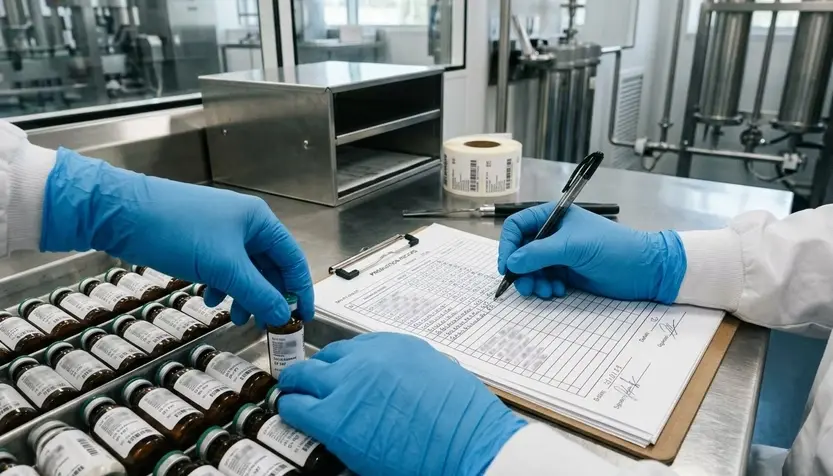
In food and life sciences, audit readiness is not a one-week clean-up project. It is a daily operating discipline. This question reveals whether the candidate treats compliance as part of normal work.
A strong candidate should mention:
Current and complete documentation
Trained employees who understand procedures
Clear ownership of corrective actions
Good housekeeping and facility condition
Traceability checks
Internal audits or layered process checks
Review of past findings and recurring gaps
They should also understand that good audit behaviour matters. Employees should answer honestly, show records when asked, and avoid guessing.
For life sciences, listen for awareness of controlled documents, deviations, change control, validation, and batch records. For food, listen for sanitation records, allergen controls, foreign material prevention, and lot traceability.
4. What is your approach to root cause analysis?
Every plant has recurring issues. The question is whether the plant manager accepts repeat problems as normal or pushes the team to remove the cause.
A strong answer should go beyond naming a tool. The candidate might mention 5 Whys, fishbone diagrams, failure mode analysis, or structured problem-solving. The key is how they apply the method.
Good answers include:
Defining the problem clearly
Using evidence from the process
Involving people closest to the work
Separating symptoms from causes
Assigning corrective actions with owners
Checking that the fix worked
A weak answer often jumps straight to blame. For example, if a filler has repeated weight variation, the answer should not stop at “operator error.” The real cause may involve equipment wear, unclear set-up steps, poor training, temperature variation, or incoming material differences.
5. How do you manage underperforming teams or shifts?
Plant managers lead through supervisors, coordinators, lead hands, mechanics, quality technicians, and support functions. They must know when to coach, when to set expectations, and when to take firmer action.
A strong answer should show fairness and discipline. The candidate should look at both people and systems. If one shift performs poorly, the cause may involve training gaps, weak supervision, poor handover, equipment condition, or staffing levels.
Listen for a practical approach:
Review performance data by shift, line, or department
Spend time observing work directly
Ask supervisors what barriers they face
Clarify standards and non-negotiables
Coach leaders and follow up consistently
Recognize improvement when it happens
The best plant managers do not manage from reports alone. They walk the floor, ask direct questions, and confirm that standards are understood.
6. How do you handle a serious quality incident or product hold?
This question is essential for food, packaging, and life sciences. A plant manager must stay calm, contain the issue, protect consumers and customers, and support a proper investigation.
A strong answer should include immediate containment. That means stopping affected production if needed, identifying all potentially affected lots, securing product, notifying quality leadership, and following site procedures.
The candidate should then explain how they support the investigation. They should gather facts, protect records, involve the right functions, and avoid rushing product release before the quality team completes its review.
Strong candidates understand the difference between production urgency and product risk. They do not pressure quality to “just release it.” They help the plant respond quickly while respecting decision rights.
7. What metrics do you review every day?
Daily metrics show what a plant manager pays attention to. The answer should include more than output.
Useful daily measures may include:
Safety concerns, incidents, and near misses
Quality holds, defects, complaints, and rework
Schedule attainment
Line efficiency or availability
Downtime by cause
Scrap and material waste
Labour performance and attendance
Maintenance backlog or urgent breakdowns
Sanitation completion and release status
The candidate should also explain how they use the numbers. Metrics should drive action, not decorate a board. If downtime rises, who investigates it? If scrap increases, what happens before the next run? If a safety concern is reported, how fast does the team respond?
A strong plant manager connects daily review to daily behaviour.
8. How do you work with maintenance to improve reliability?
Production and maintenance can fall into conflict when equipment is unreliable. A plant manager needs to create shared ownership, not a blame cycle.
A strong answer should include preventive maintenance, planned downtime, spare parts discipline, and clear communication between operations and maintenance. The candidate should understand that skipping planned maintenance often creates larger unplanned failures later.
Look for examples of:
Weekly planning between production and maintenance
Ranking equipment by production and quality risk
Tracking repeat failures
Improving handovers after breakdowns
Training operators on basic care checks
Supporting maintenance windows even when schedules are tight
In packaging, reliability can depend on changeover discipline, settings control, and material compatibility. In food, washdowns and sanitation can affect equipment condition. In life sciences, maintenance may also link to calibration, validation, and controlled procedures.
9. How do you lead change in a plant that is resistant to new ways of working?
Plants often develop strong habits. Some habits protect quality and safety. Others keep old problems alive. This question shows whether the candidate can lead change without creating unnecessary friction.
A good answer should include communication, involvement, training, and follow-up. People are more likely to support change when they understand the reason and can see that leaders will remove barriers.
Strong candidates involve operators and supervisors early. They test changes on a line or shift, listen to feedback, adjust the approach, and then lock in the new standard. They also make expectations clear. Once a new method becomes the approved standard, it cannot remain optional.
This is especially important in regulated environments. Any process change may need quality review, document updates, training records, or validation work. A plant manager must move at the right speed, not simply the fastest speed.
10. Why are you interested in this plant manager role and this industry?
This question may sound simple, but it helps separate candidates who want any senior operations job from those who understand the environment.
A strong answer should connect the candidate’s experience to the plant’s reality. They may be drawn to high-volume food production, technical packaging processes, sterile or controlled life sciences work, or the challenge of leading a multi-shift operation.
Good answers are specific. The candidate should mention the type of products, the regulatory expectations, the maturity of the site, or the opportunity to build stronger plant systems.
A weak answer is generic. If the candidate could give the same response to any company in any industry, keep probing.
How to score the answers fairly
A structured scorecard helps reduce bias and keeps the interview focused on the job. The scorecard does not need to be complicated. It should reflect the demands of the plant.
Area to assess | What strong evidence sounds like |
Safety leadership | Gives examples of preventing risk, responding fast, and setting clear standards |
Quality and compliance | Understands documentation, traceability, holds, audits, and controlled processes |
Operational performance | Uses data to improve output, downtime, scrap, labour use, and schedule adherence |
People leadership | Coaches supervisors, addresses poor performance, and builds accountability |
Problem-solving | Finds root causes, confirms fixes, and prevents repeat issues |
Cross-functional work | Partners well with quality, maintenance, supply chain, sanitation, and engineering |
Communication | Explains issues clearly to employees, leaders, customers, and support teams |
Use the same core questions for each candidate. Ask follow-up questions when an answer is unclear, but avoid changing the whole interview from person to person. Consistency makes the final comparison more reliable.
Red flags to watch for during the interview
Some warning signs show up quickly when discussing plant leadership. They do not always disqualify a candidate, but they deserve follow-up.
Watch for candidates who:
Blame operators for most problems
Treat quality as a barrier to production
Cannot explain measurable results
Speak only in theory, with no real examples
Ignore maintenance planning
Minimize documentation in regulated work
Have no clear method for handling conflict
Focus only on cost reduction
Avoid responsibility for failed initiatives
The strongest candidates show ownership. They can describe mistakes, explain what they learned, and show how they changed their approach.

Final takeaway
Hiring a plant manager is a high-impact decision. The interview should test more than confidence and technical vocabulary. It should reveal how the candidate protects safety, maintains quality, leads people, uses data, responds to pressure, and improves the plant over time.
The best interviews feel practical. Ask for real examples. Probe for details. Listen for balanced judgement. In food, packaging, and life sciences, the right plant manager does not simply keep production moving. They build a disciplined operation where people understand the standards, problems get solved at the source, and performance improves without putting compliance or trust at risk.


