
Cultivating Tomorrow's Leaders: Empowering Your Packaging Production Team
Developing leadership within your packaging production team is essential for long-term success. The packaging industry faces constant challenges such as evolving technology, tight deadlines, and quality demands. Building future leaders from within your existing workforce ensures your team stays adaptable, motivated, and ready to meet these challenges head-on.
This post explores practical ways to identify, nurture, and prepare production team members for leadership roles. It offers actionable strategies that packaging managers and supervisors can apply to create a strong leadership pipeline.
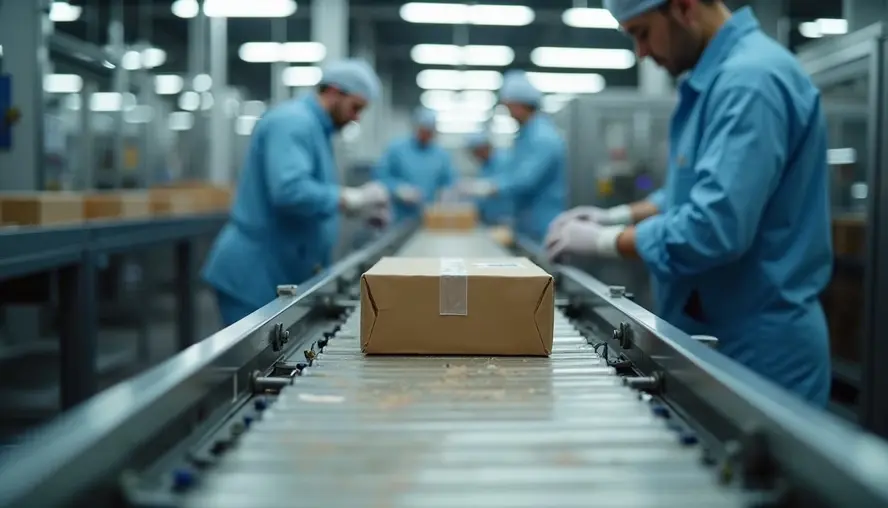
Recognizing Leadership Potential in Your Packaging Team
Leadership potential often hides in plain sight. It’s not always the loudest or most senior employee who will make the best leader. Look for these qualities among your production team members:
Problem-solving skills: Employees who find ways to fix issues quickly and efficiently.
Reliability: Those who consistently meet deadlines and maintain quality.
Communication: Team members who clearly share ideas and listen to others.
Initiative: Individuals who volunteer for extra tasks or suggest improvements.
Adaptability: Workers who adjust well to changes in processes or schedules.
Use regular performance reviews and informal observations to spot these traits. Peer feedback can also reveal who naturally influences and supports others.
Providing Training and Development Opportunities
Once you identify potential leaders, invest in their growth through targeted training. This can include:
Technical skills: Advanced training on packaging machinery, quality control, or safety standards.
Soft skills: Workshops on communication, conflict resolution, and time management.
Leadership basics: Courses covering team motivation, delegation, and decision-making.
Pair training with real-world practice by assigning small leadership tasks. For example, let a promising employee lead a shift or manage a quality check team. This hands-on experience builds confidence and reveals areas for improvement.
Creating a Mentorship Program
Mentorship connects emerging leaders with experienced supervisors or managers. A mentor provides guidance, shares knowledge, and offers support during challenges. This relationship helps mentees:
Understand leadership responsibilities.
Learn from real-life examples.
Build a network within the company.
Set clear goals for the mentorship, such as improving communication skills or mastering production planning. Regular check-ins keep the process focused and productive.
Encouraging a Culture of Continuous Improvement
Leadership development thrives in an environment where learning and growth are valued. Encourage your team to:
Share ideas for improving production processes.
Participate in problem-solving meetings.
Take ownership of their work and outcomes.
Recognize and reward contributions that enhance efficiency or quality. This approach motivates employees to develop leadership qualities naturally.

Using Cross-Training to Broaden Skills
Cross-training exposes team members to different roles within the production process. This broadens their understanding and prepares them for leadership by:
Increasing flexibility in staffing.
Building empathy for colleagues’ challenges.
Enhancing problem-solving with a wider perspective.
Rotate employees through various stations such as machine operation, quality control, and inventory management. This experience helps future leaders make informed decisions and support their teams effectively.
Setting Clear Career Paths and Goals
Employees are more motivated when they see a clear path to advancement. Define what leadership roles look like in your production team and what skills or achievements are needed to reach them. Communicate these expectations openly.
Help team members set short- and long-term goals aligned with leadership development. Regularly review progress and adjust plans as needed. This clarity encourages commitment and focused effort.
Leveraging Technology for Leadership Growth
Modern packaging facilities often use digital tools for production tracking and communication. Use these technologies to support leadership development by:
Providing access to training modules online.
Using data dashboards to teach decision-making based on real metrics.
Facilitating virtual meetings for mentorship or team discussions.
Technology can make learning more accessible and relevant to daily work.

Measuring Success and Adjusting Strategies
Track the impact of your leadership development efforts by monitoring:
Employee retention rates.
Production efficiency and quality improvements.
Feedback from team members and supervisors.
Number of internal promotions to leadership roles.
Use this data to refine training programs and mentorship initiatives. Continuous evaluation ensures your approach stays effective and aligned with company goals.


